A home is one of the largest investments you are ever going to make, that’s why it is vital that you verify that it’s safe, functional and has long-term value before purchasing. It’s 2025, and the real estate industry has evolved along with expectations for home inspections. Both buyers and sellers are starting to understand the necessity of thorough inspections, new tools, and up-to-date regulations. This no-fluff, ultimate home inspection guide is your essential tool for understanding everything to anticipate during 2025 home inspections, what to avoid and how to take action if you’re buying or selling a house.
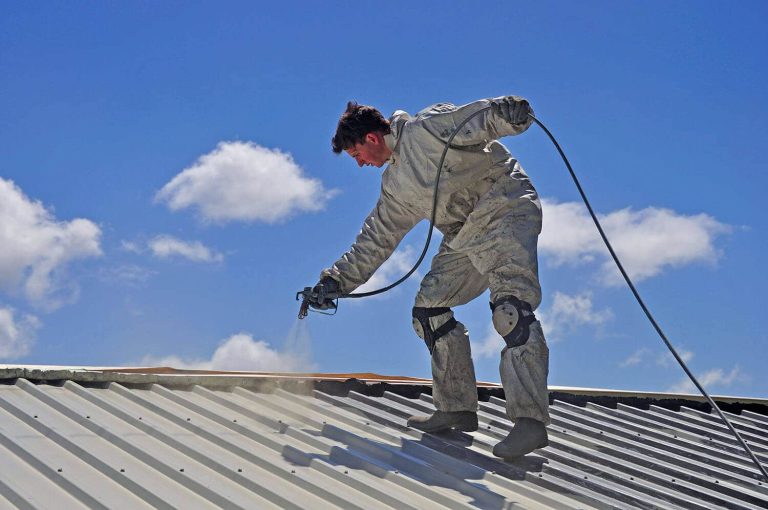
Today, a home inspection goes much further than just a walk-through of the house. This involves a comprehensive examination of the home’s structure, systems and condition. An exterior inspection is usually a starting point for the checklist, consisting of checking the roofing for missing shingles, cracks or leaks, as well as sagging. Inspectors will also examine gutters, downspouts and drainage systems to verify that they are adequately directing water away from the house. Outside walls/siding/trims/windows Checked for cracks, moisture problems, and general condition. The driveway, sidewalks and grading around the property are even checked for proper water runoff and safety.
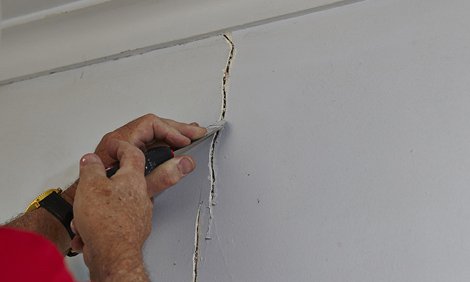
Then comes the interier search, with each room checked for stability and safety. Inspectors check doors and windows to verify they open, close and seal as expected. Walls and ceilings are screened for stains or cracks that might signal water damage or foundation settling. Check flooring it is inspected for durability and damage. In 2025, moisture detection devices are improved to be able to detect unnoticed leaks behind walls or under the floor. Allowing these problems to fester could result in a moldy mess and costly repairs down the road.
Among the most significant items on that list: Checking the plumbing system. An inspector will also look over any readily accessible pipes, the water heater, faucets and fixtures for leaks, corrosion or low water pressure. They also evaluate drainage systems and look for evidence of any prior water damage. Some of these inspections may also include the use of a camera inspection for sewer lines to detect clogs and breaks in the system. Making sure the plumbing is in good order can spare buyers expensive repairs and surprises from water damage after moving in.
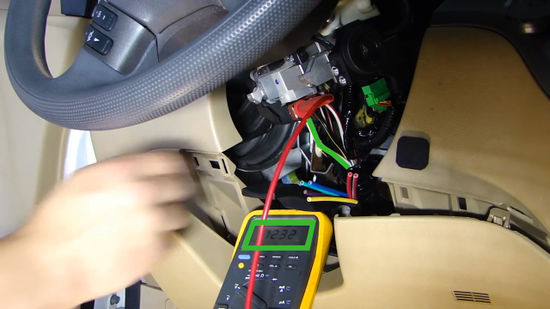
The electric on the vessel is another item that gets inspected. Inspectors test outlets, switches, electrical panels and wiring to make sure that everything meets the latest safety standards. An obsolete or defective wiring plays a significant role in house fires, so this step is very important. In 2025, inspectors will have to assess energy-efficient homes and smart home technologies, so proper installation of smart systems, power backup and high-efficiency fixtures is also on their list.
It is also an important aspect to consider, as per the merit of appearance and functionalities of heating ventilation & air conditioning (HVAC) systems. Inspectors also verify that systems are in good working order, have been well maintained and are safe to use. Neglected HVAC systems not only lead to discomfort, but they are also more expensive and can even degrade air quality inside the residence. “People think about their furnace and fireplace in the cold weather to make sure they are safe all winter long.”
Though you can use this list as a guide, it is best to hire an expert. A specialist is licensed for a reason; he or she has the know-how and proper tools to detect issues that may fall through the cracks of an untrained eye. If you are buying property in Minnesota, hiring an experienced home inspector in Maple Grove MN will give you peace. They know the local building codes, the risks of weather-related damage and most of the common problems found in homes from that area. With their experience, the thorough examination they provide is for your protection in your investment and in negotiating repairs or price adjustments.
The next key component of home inspection checklist is verifying environmental and safety issues. Inspectors seek out mold, radon, asbestos and lead-based paint in older homes. Today’s buyers are also becoming more and more mindful of indoor air quality and health, so this step is especially critical now. Today, many inspectors are also providing specialized testing services in an effort to guarantee that homes remain free from such noxious pollutants and allergens.
And, the foundation and structural check demonstrates how stable the home is. Inspectors examine for cracks, uneven flooring or moving walls that could be a sign of problems with the foundation. Structural issues can be among the most costly repairs a homeowner will incur, so picking them up early is important.
In summary, a 2025 complete home inspection checklist is more than just the basic needs but also modern technology, awareness and care for the environment as well as better standards of safety. Whether you are a buyer or seller, it is important to know how this process can help you make smarter decisions, be prepared for difficult negotiations and save on unexpected costs. By being present – along side a trained professional, you can make sure that your investment is safe and the future home provides comfort for ever many years it remains occupied.