There is something about older homes that draws buyers in with a sense of charm and character. But these properties do not always come without the associated headaches. A home inspection can help to identify complications. First-time buyers can use this information to their advantage if they understand what home inspectors look for in older homes.
Foundation and Structure
The foundation and structural integrity are among the first things a home inspector analyses. As structures settle (permanently), buildings may crumble, shift, and leave cracks and unnaturally high floors. Inspectors then determine all the signs of damage they are able to see and take a look at the general stability. They also check the support beams and load-bearing walls.
- Cracks in walls and ceilings
- Uneven or sloping floors
- Signs of water intrusion
Roof and Attic
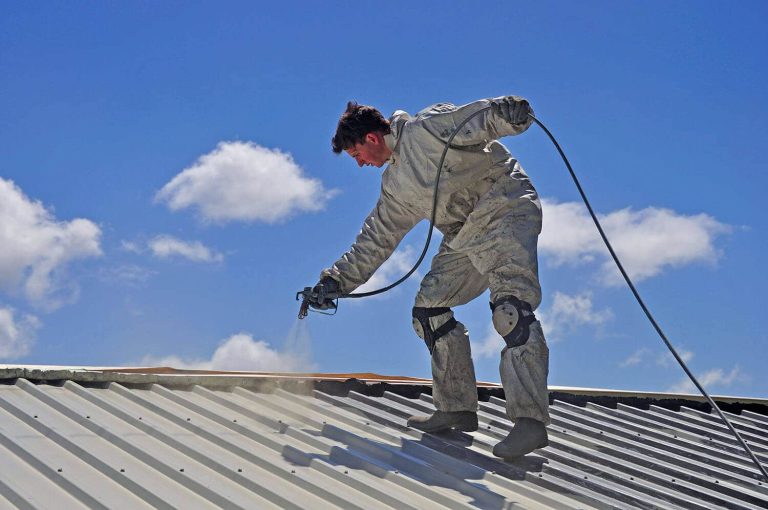
One of the most important parts of the home is the roof, which is the protective shield of the home from the weather. Inspectors look for wear and tear on the roofing material, missing shingles, or leaks. They also inspect the attic to make sure it’s well insulated and ventilated. Insulation, such as an insulated attic, can help with energy efficiency and reduce the risk of moisture issues.
- Condition of shingles or tiles
- Indicators of leaks or water damage
- Adequate attic ventilation
Plumbing System
The plumbing system of an old house can give you some trouble. Inspectors look out for old pipes that can leak or corrode. They check out the water pressure and check whether or not the drains work well. It is also important to look for signs of mould or mildew, which are most often caused by leaks that you cannot see.
- Condition of pipes and fixtures
- Water pressure assessment
- Presence of mold or mildew
Electrical System
One of the most important parts of a home inspection is the electrical system. That kind of wiring won’t work today, and it could be a fire hazard if you’re living in an older home with out-of-date wiring that can’t take the load. They also look for aluminium wiring, which can pose a fire hazard, and assess whether there is an electrical panel appropriate for modern use. An evaluation is also done for the availability of proper grounding and the condition of outlets.
- Type of wiring used
- Panel size and condition
- Functionality of outlets and switches
Heating and Cooling Systems
The heating and cooling systems of older homes might no longer be functioning efficiently, or at all. For these systems, inspectors also check the age and condition of the appliances and examine whether they work properly and have been maintained accordingly. They also inspect ductwork for leaks, which can lead to reduced efficiency and increased energy costs.
- How old are the HVAC systems?
- Functionality of thermostats
- Presence of duct leaks
Windows and Doors
Inspectors check whether your windows and doors open and close properly and whether they are energy efficient. Some older windows also have single-pane glass, rendering them far less insulating. They also test for drafts, which can cause inflated energy costs. To keep from being too hot or too cold in your home, proper sealing should be done around the doors and windows.
- Type and condition of windows
- Sealing and insulation effectiveness
- Ease of opening and closing
Interior and Exterior
Interior & Exterior Home Condition: The overall state of the interior and exterior of the home. Inspectors will look for wear & tear or damage like chipped paint or cracked siding, etc. They also assess how well floors, walls, and ceilings are in good condition. Next focus is on the outdoor area, closely followed by their walkways, driveways and landscaping.
- Condition of exterior surfaces
- Interior floor and wall condition
- State of walkways and driveways
Pest and Termite Inspection
Pest infestation might be more common in older homes. Inspectors look for indications of termites, rodents, or other animals that may harm the framework. They search for signs of nests, feces, or wood damage. For a home to remain wholesome, residents should ensure that pest problems are not getting out of hand.
- Signs of termite activity
- Signs of rodents or other pests
- Condition of wood structures
Safety Features
Home inspection safety is the top priority of any home inspector. Inspections check for working smoke detectors and CO alarms. They look for handrails on stairs and examine balconies and decks for safety issues. Safety features are very important for the safety of the people living inside the house.
- How smoke and carbon monoxide detectors work
- Presence of handrails
- Safety of balconies and decks
Environmental Concerns
Environmental issues are a possible concern with older homes. Inspections look at an assortment of things: is there asbestos, lead paint, or radon gas? If not managed accordingly, these can be harmful to health. Testing is done to determine the need for remediation to ensure that the area is safe to live in.
- Asbestos or lead paint is present
- Radon gas levels
- Recommendations for remediation
Conclusion
An older home needs a thorough home inspection. Here is how buyers can know what a home inspector looks at to avoid any issues and determine if they want to buy the home. If you are looking into buying an older home, an experienced home inspector in Orlando FL, can help give you a better idea of just what condition the home is actually in. Such knowledge enables purchasers to translate their decision-making in order to assure their investment is both rational and fulfilling.