A roof can change the aesthetics of a building and help it last longer, too. By learning about the roof painting process, individuals can gain insight into the complexity and artistry of the work. The procedure from preparation to final inspection is described in this guide so that you know what to expect when you hire them.
Initial Assessment
Essential, first and foremost, is a detailed examination of the roof before any work starts. This step involves:
- Roof Inspection: Experts look to eliminate any roof damage, leaks, or damaged areas.
- Material Check: Various types of roofing materials will be in need of different paints, so, in turn, will need to be prepared accordingly as well. Based on the material identification, the correct way to approach is.
- Do not Ignore Weather: There is no doubt that weather conditions play a key role in this process. Paint needs dry, mild days in order to get a good grip.
Preparation Phase
Preparing well means a trouble-free paint job and a durable finish. This phase consists of a few key steps:
- Removing Dirt, Moss & Debris: Cleaning is probably the most important step. Usually, a high-pressure wash will remove the topium (making that word up here) layer, getting it ready for paint.
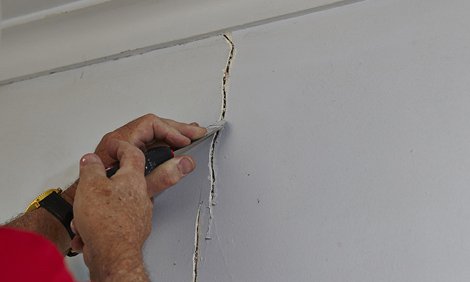
- Repairs: Any damage found during the assessment must be fixed. This could mean retiling, plugging leaks, or fixing structural issues.
- Priming: Whether you are using a paint specifically designed for a primer or not, a primer can aid in paint stickability and provide a more even surface. The type of primer is determined by the roof surface.
Choosing the Right Paint
Choosing the right paint for durability and looks. Considerations include:
- Kind of Paint: For warm comprehensive scenarios, acrylic paints, due to their versatility and resistance to intake on line paint, are often the most effective choice.
- Color Choice: Sure, it looks nice, but the light colors can bounce sunlight away and cut down on your heat absorption and energy bills, too.
- More Affordable Than Cheap: High-quality paint appears more expensive at first, but much cheaper long-term, as you spend money maintaining cheap exterior paint.
Application Process
Preparation is out of the way, now onto painting. This is how professionals generally paint the roof:
- Safety Measures: Safety is paramount. Scaffolding and harnesses are used by painters to avoid treacherous situations.
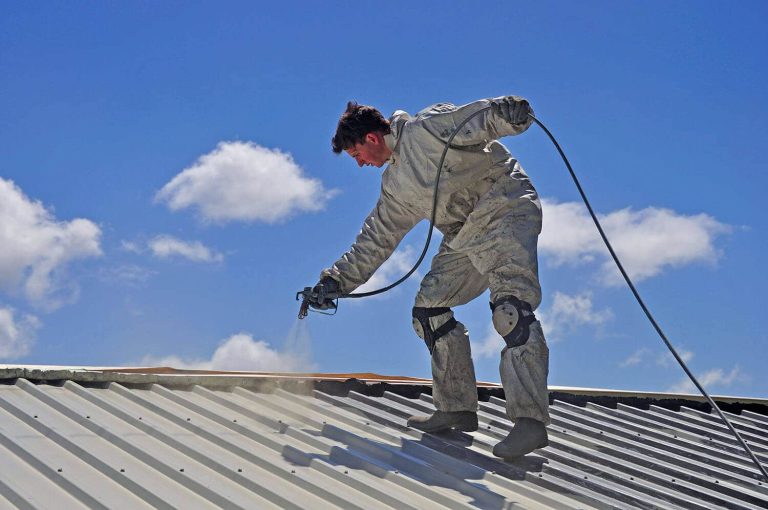
- Application Method: Depending on the shape of the roof and the type of paint, it is applied by a brush, roller, or spray gun. The spray application gives a smooth coat, and it is useful to cover larger areas as well.
- 3 – 4 Coats: The more the merrier! It takes time to dry between applying each coat.
Final Touches and Inspection
Following the paint, a few steps make sure that the project is completed at a high standard:
- Final inspection: A final inspection verifies that the paint covers evenly and that there aren’t any missed areas or drips.
- Touch Ups: Fixing any imperfections to achieve a flawless finish.
- Cleaning: Taking everything out and leaving the area clean for the people living or working in the property.
Maintenance Tips
A painted roof can last longer and look newer. Regular maintenance includes:
- Routine Inspections: The roofing should be checked from time to time to uncover problems before they escalate into bigger ones.
- Washing: A clean roof will stave off moss and garbage buildup that can harm paint.
- Repeat Application: The weather can deteriorate paint over time. This provides the continued protection your roof needs and just requires a new coat every couple of years.
Benefits of Professional Roof Painting
There are many reasons to hire people to help with roof painting. These include:
- Specialized Knowledge: Roof painters in Auckland and beyond are trained and experienced.
- Safety: Professionals are skilled in working at heights and often work with proper equipment that ensures safety.
- Speed: It takes only a few hours to get it done right.
Environmental Considerations
Another angle when it comes to modern roof painting is environmentally friendly elements. Eco-friendly practices include:
- Low VOC Paints: Paints that have low levels of volatile organic compounds lead to fewer emissions of harmful substances into indoor spaces.
- Waste Management: Coming up with effective ways for the right disposal of waste materials helps to minimize the negative impacts on the environment.
- Energy efficiency: By keeping indoor temperatures lower, reflective paints can cut down on energy use.
Choosing a Professional Service
Choosing the appropriate painting service is essential to a successful project. Consider these factors:
- Reputation: Seek out companies with a good reputation and a proven track record of happy clients.
- Relevant experience: Skilled painters share best practices and produce quality work.
- Warranty and Insurance: It’s always a wise and good move to go for a service offering a warranty on their work and one having insurance.
Conclusion
Roof paint is not just a cosmetic improvement; it is an investment into a building’s lifespan and functionality. Property owners will learn how to make informed decisions regarding the process, from the first assessment to remediation and the long-term maintenance of their homes. In Auckland and around you will see the experienced roof painters doing a wonderful job not only in terms of quality but also in terms of safety and efficiency. This will help to ensure roofs remain strong and aesthetically pleasing for many years.