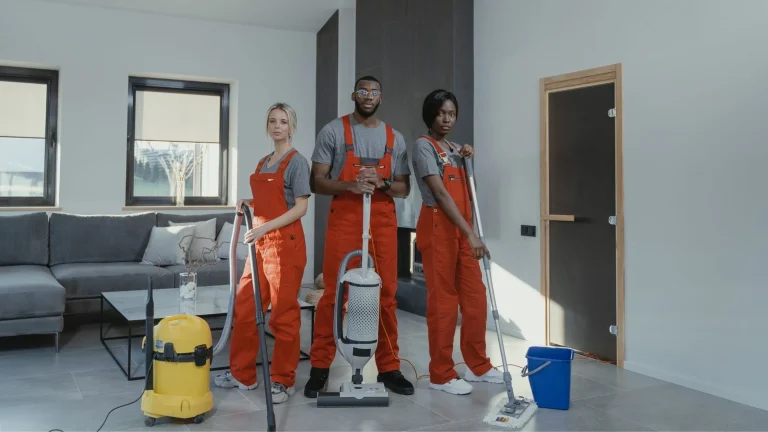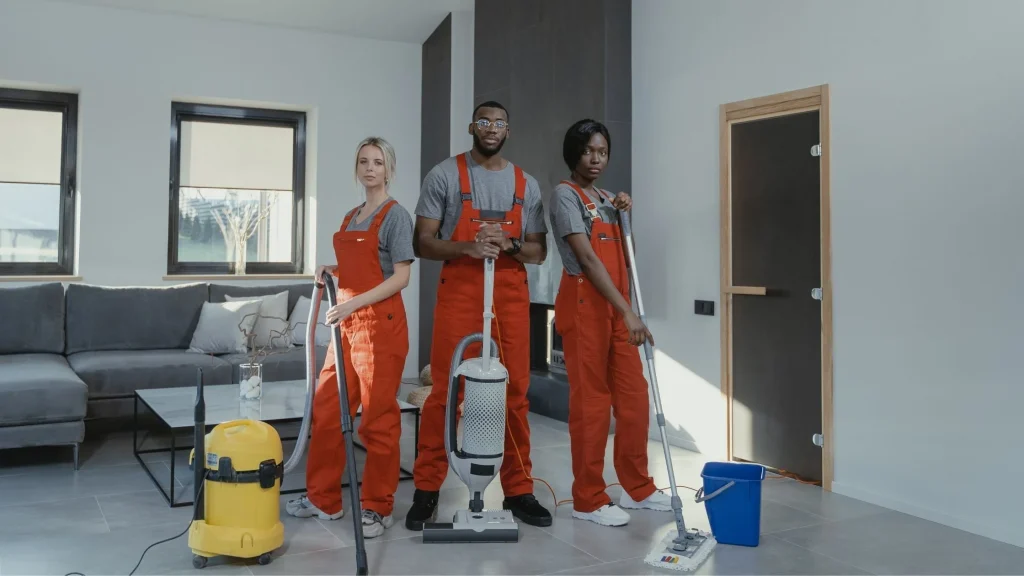
As industries differ, the requirements associated with supportive arrangements expand, and so does the demand for industrial cleaning services. There are unique challenges in each industry, and your strategies for cleanliness and hygiene must adapt to how each industry functions. In this post, we examine how commercial cleaners adjust their techniques to fulfill the unique needs of various industries.
Understanding Industry Needs
Commercial cleaning is indeed not the same between sectors. Understanding these distinctions is pertinent in providing effective service delivery. Each industry has its own set of requirements, regulations, and expectations, so cleaners have to know them as well.
Facilities related to Health: Taking into consideration the hygiene in the health sector is a deadly serious issue. Infection control protocols are extremely rigorous. Their task, then, is to oversee the sanitization of surfaces, the disposal of waste, and the maintenance of sterile environments.
Educational Facilities: Schools and universities require deep cleaning to promote a healthy learning environment. That also means ongoing disinfecting of classrooms, bathrooms, and common areas.
Commencing with the Office Buildings: In offices, the perfect work-life environment matters. Regular tasks include dusting, vacuuming, and disinfecting high-touch areas.
Retail: When it comes to retail, cleanliness makes an impact on customer experience. The shopping ambience is improved by the timely maintenance of floors, display areas, and fitting rooms.
Customizing Services as per Market Push
Industry-specific requirements easily adapt cleaning techniques and schedules. Different sectors have cleansing requirements, and professionals need to use the right approach to provide satisfactory service.
Custom schedules: Spreading of different industries happens at different schedules. Offices are generally cleaned after office hours, whereas health care facilities could require 24/7 cleaning.
Sector Needs Special Equipment: Certain sectors require specialized tools. Hospitals, for example, may implement some advanced disinfection technology, whereas schools may aim to use environmentally friendly products.
Regulatory Requirements: Industries such as healthcare and food service are bound by fierce regulations. The compliance quotes help the Cleaners to keep updated with the compliance requirements to keep themselves having no legal issues.
Implementing Effective Communication
Communication between cleaning teams and clients should always be clear. Recognizing what clients see as common helps to provide services that match their needs. Implementing and maximising feedback processes can improve service delivery.
Set up regular check-ins with clients to help better support their changing needs and address any challenges that may arise.
Feedback Systems: This is to ensure that there is continuous backend work to ensure that the client is satisfied.
Training and Development
Professional cleaners need to undergo regular technical training as the market keeps evolving. Regular education keeps them up to date with the latest techniques, products, and compliance.
Skill Improvement: Training programs enhance skills by imparting knowledge to workers concerning new cleaning technologies and methods.
Health & Safety: Workplaces such as Hospitals require an understanding of health and safety protocols.
Technology Integration
Embracing such technology can create efficient and effective cleaning practices. Cleaning equipment and disinfection fall heavily on technology.
Machine Equipment: Modern machinery, like robotic vacuum cleaners and floor scrubbers, increases cleaning efficiency and efficacy.
Digital Scheduling: Helps to book and manage all the schedules and resources easily to serve the customers quickly.
Sustainability Practices
Across industries, sustainability is an ever-growing priority. A standard type of green practice is being embraced by cleaners to reduce environmental impact while achieving a good degree of hygiene.
Eco-Friendly Products: Eco-friendly cleaning agents will minimize pollution and chemical exposure.
Waste management: If we talk about sectors like healthcare & hospitality, then opt for efficient ways of waste management.
Building Trust and Reliability
Trust is essential for long-term relationships with clients. A couple of things that matter for client satisfaction are reliability and consistency.
Maintaining Consistency: Consistency strengthens customers’ trust in the service.
Develop Strong Relationships with Clients: Better relationship building creates trust and reliability, which creates a channel for repeat business.
Conclusion
Cleaning services adapting to other industries need a good understanding of the unique requirements and problems of each sector. But with the right strategies, commercial cleaners can rise to the occasion. Whether it be healthcare or retail, every sector is given sectoral treatment and effective solutions for hygienic and pleasant environments. Over time, the industries will keep changing, but the specified trusted commercial cleaners in Auckland and other such industries will still play a primary role in assuring cleanliness. These specialists make sure the way ahead is clear and wholesome for everybody through their ongoing adjustments and innovations.