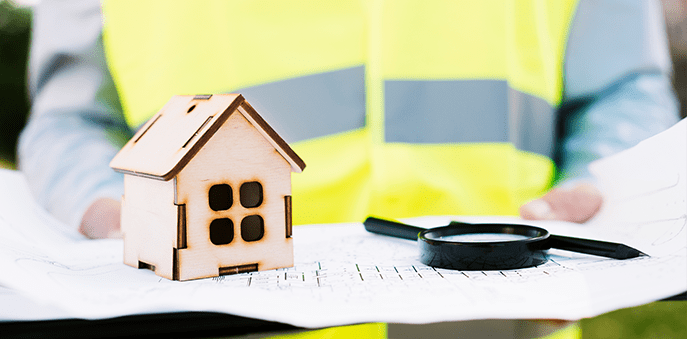
Buying a home is often called one of life’s greatest milestones. But for all the excitement of this journey, it’s no secret that it can also include stress especially when home inspection time comes. For homebuyers, especially those buying their first homes, the inspection process might feel like an intimidating hurdle. What if the home you love conceals expensive problems? How are you going to make sense of all the findings? Fortunately, arming yourself with the proper knowledge and preparation can help calm your fears and transform those jitters into confidence. So for anxious homebuyers wondering what happens next, here are ten tips on the inspection process.
Know the Purpose of A Home Inspection
A home inspection isn’t a test that your dream house has to “pass” or “fail.” Instead, it’s a detailed, impartial assessment of the state of the property. Inspectors pinpoint potential problems large and small so you can make an educated choice. Just remember, no house is perfect, not even brand-new ones. The inspection just bolsters your position. It provides you the information to negotiate repairs, prepare for upgrades, or realize a home is not right for you.”
Pick a Qualified, Licensed Home Inspector
Not all home inspectors are equal. Find someone who is qualified, insured and known for being thorough and honest. Read reviews online, ask your real estate agent for recommendations and don’t hesitate to request an example of a past inspection report. If you’re looking for a home inspection service in Scottsdale, make sure the inspector understands local climate factors, building codes, and types of issues common to homes in the area.
Attend the Inspection if Possible
Many buyers find that attending the inspection reduces their anxiety. Accompanying the inspector through the process gives you front-row seats to what they discover, and other questions in real time it helps give you a better sense of the condition of your possible new home. And this can make reading and interpreting the final report much easier.
Ask Questions — No Question Is Too Small
Some technical jargon or building lingo might be above your head, but there’s no reason not to ask the inspector for some clarification. Wondering if a crack in the foundation is a serious threat or merely cosmetic? Ask! Unsure how long the home’s roof or heating system has left? Seek detailed explanations. A good inspector will be glad for your curiosity and appreciates that you are informed.
Keep Perspective: Expect Some Issues
It’s uncommon to come across a house without flaws. Minor problems like leaky faucets, wobbly doorknobs or chipped tiles are to be expected. Concentrate on spotting major issues like structural damage, foundation problems or antiquated electrical systems which make for expensive repairs. And don’t forget that small problems do not mean the house isn’t worth buying; they’re often a chance to negotiate repairs or reductions in price.
Review the Inspection Report Thoroughly
Following the inspection, your inspector will issue a detailed report. Be thorough when reading it, and don’t be alarmed if the report seems long this simply indicates that the inspector is doing due diligence. Most reports come with pictures as well, making it even easier to see the problem. Go over the findings with your agent and your inspector to rank which items warrant immediate attention.
Use the Findings to Negotiate
If there are serious problems identified during your inspection, you can use that as leverage to renegotiate with the seller. You can ask for repairs, a credit toward closing costs or a reduction in price. Your realtor can then help you prepare a reasonable request based on the findings.
Consider Specialized Inspections
A typical home inspection includes the basics: structure, roof, plumbing, electrical and HVAC. Most of the time a general inspector will do just fine, but if he or she spots evidence of termites, mold, asbestos, or another specific problem it’s worth hiring a specialist. This is particularly true if you are seeking a home inspection in Scottsdale, where unique climate and soil conditions can create local challenges such as slab cracks or pest activity.
Don’t Overlook Maintenance Tips
The home inspection is an opportunity for many buyers to point out the issues. Inspectors also provide maintenance recommendations. Listen to their recommendations for annual maintenance whether that’s cleaning out gutters, replacing or adding insulation, or maintaining HVAC systems. Regular maintenance prevents larger issues later on.
Lean on Your Support System
It’s normal to feel overwhelmed, but you’re not alone. Your real estate agent, mortgage lender and inspector not to mention friends and family are there to walk you through the process. Feel free to ask for advice or reassurance. Your agent, in particular, can interpret the inspection report and work with you to determine your next steps.
Conclusion
The home inspection is a powerful ally in your buying journey, not an enemy. It introduces peace of mind, transparency and control into your largest investment. By working with a vetted pro, asking questions and bringing an even-tempered mindset to the process, you’ll get useful insights whether you’re in the market for a classic Arizona ranch or sleek desert hideaway. And remember: With every tip you read and each proactive measure you take, you’re getting closer to a decision that looks good on paper now and will probably feel even better in five years. And if you’re looking for a home inspector in Scottsdale, there will be trained professionals on standby to make sure that your nerves turn to excitement as you near the closing on your new abode.