For most people, buying a home is the biggest investment they make in their lifetime. It’s a process laden with excitement, anticipation and, sometimes, anxiety. In the excitement of finding a dream home, it’s important to make sure that your property is in good condition and doesn’t have hidden problems. This is where a home inspection comes in handy. But not all of the home inspections are equal. And when making a home purchase that will affect your finances and peace of mind for years to come, choosing reliable home inspection information is vital to protect your investment and never regret it!
Why Home Inspections Are Important
A home inspection is an unbiased, visual assessment of the physical structure and systems of a house from roof to foundation. It provides a snapshot of how the property stands right now and can reveal hidden defects, possible safety issues and things needing immediate or future repair. This priceless insight arms buyers with the knowledge necessary to make sound purchase decisions or haggle terms with the seller.
What to Look For In A Reliable Home Inspector
The right inspector is the first step to a trustworthy home inspection. Here’s what to look for:
1. Proper credentials and licensing: Trustworthy inspectors should be certified by an established organization, and you can feel safer if they also have licensure like both ASHI (American Society of Home Inspectors) and InterNACHI (International Association of Certified Home Inspectors). They should also possess the applicable state licenses to practice, where applicable.
2. Experience: Experienced inspectors have years of experience and are likely to have seen many home problems. Request references and find their reviews to evaluate their background.
3. Thorough Reporting: A professional inspection should go hand-in-hand with a comprehensive report, often including photographs and simple-to-comprehend summaries. This report will include all the major parts of the home.
4. Insurance: You need errors and omissions (E&O) insurance. It shields both the inspector and client in case something is accidentally overlooked during inspection.
What Does a Home Inspection Include?
It needs to at least cover the following:
- Parts of the structure: Foundation, walls, ceilings, floors, and roof.
- Outside: Siding, windows, doors, eaves and fascia; walkways and driveways; decks and patios.
- Roofing: Condition of your shingles, gutters, flashing and downspouts; any leaks or water damage.
- Plumbing: supply and drain systems, water heaters, piping, fixtures.
- Electrical Systems: Service drops, grounding, outlets, electrical panels.switches.
- Heating and Cooling System: furnace, A/C unit, thermostat, duct work.
- Insulation and Ventilation: Attic, basement and crawl space ventilation, insulation
- Interior: Door, Windows, Floors, walls, stairways and Railings.
- Fireplaces and chimneys: Adequate operation and any possible hazards.
Though a general home inspection is extensive, specialized inspections (think pest inspections or mold inspections) may be warranted depending on the location or visible concerns.
Importance of Choosing Local Expertise
If you’re looking at a property in a particular region, that makes hiring an agent who understands local conditions absolutely critical. For example, home buyers looking for a Home inspection in Henderson NV would gain from inspectors who understand regional concerns such as desert weather effects, soil types, local building regulations, and prevalent construction methods). They’ll be familiar with the types of issues that often emerge, for instance HVAC problems from extreme heat or particular challenges to avoid in roofing.
Questions to Ask Your Inspector
- How much time will inspection take?
- Can I attend the inspection?
- What tools are you using to detect problems that may be lurking?
- Do you provide digital reports with pictures?
- Are you insured?
- Do you have testimonials from past clients?
It is strongly recommended to attend the inspection if logistically possible. It enables you to see the process in action, ask real-time questions and have a better understanding of any potential issues.
Red Flags and Common Issues
A good home inspector will be able to point out red flags that are both visible and not so apparent, such as:
- Signs of water intrusion around windows, basements or roofs.
- Poor drainage or grading around the property.
- Outdated electrical wiring or panels.
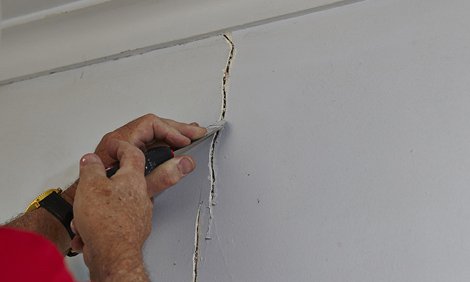
- Foundational cracks or shifts.
- Signs of pests, termites or mold.
Not all problems are dealbreakers, but knowing the severity and potential cost of repairs is key to negotiating and budgeting.
Conclusion
You should always get a home inspection and here is why if you pick a qualified, seasoned, and above all else transparent inspector preferably one who has experience in your area you can make a confident and informed decision. Keep in mind that a comprehensive home inspection may expose problems that can help you avoid surprise repair costs or secure you a better deal. Don’t overlook the price of not doing this essential procedure. As the types of home inspections vary by region, and each property is different, selecting trusted home inspection details for your dream house hangs in the balance.