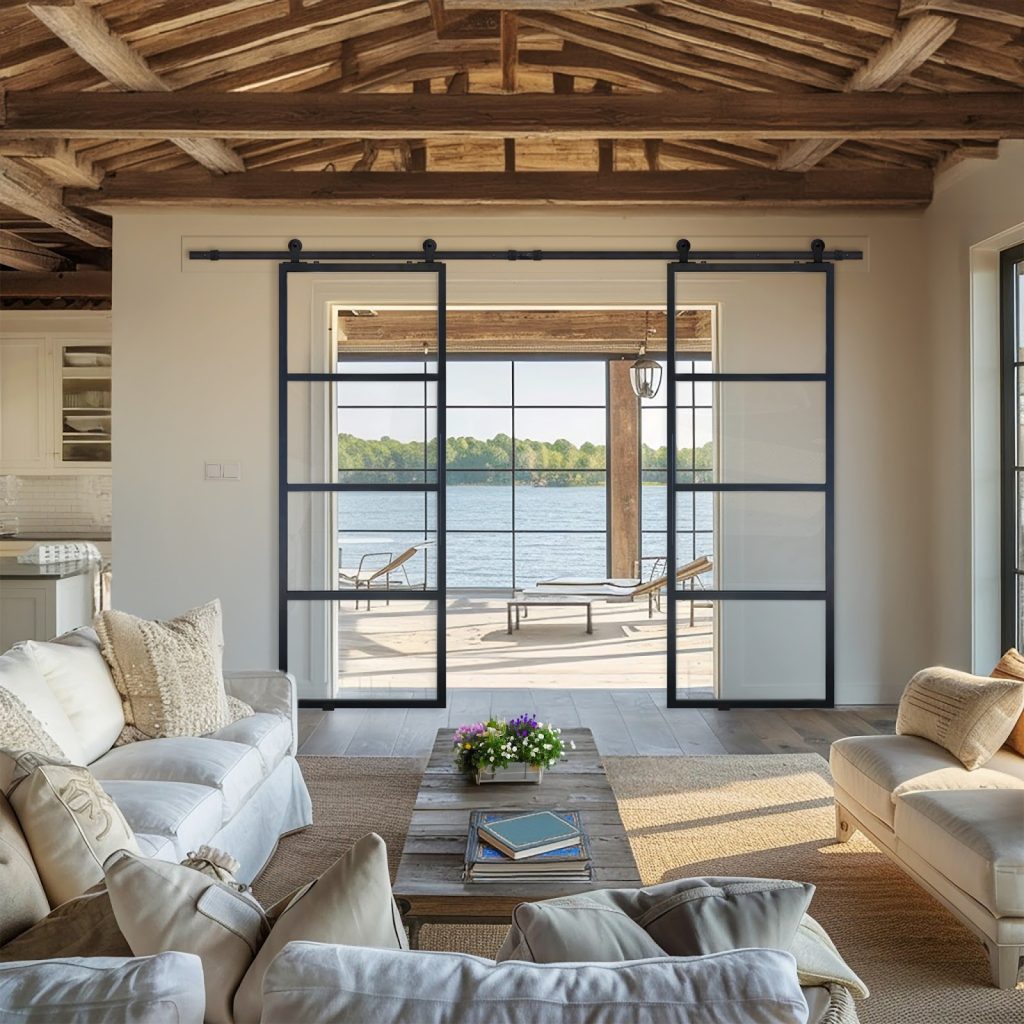
Many modern spaces are designed to be clear, serene, and visually appealing. A barn-style sliding door is a functional element that also adds character to a space. Homeowners frequently choose this style for its space-saving features and as a decorative piece. A sliding barn door NZ will go with different interiors, as it slides along a track and therefore needs less space. While its day-to-day use may seem limited, this post looks at various applications for the feature.
Room Divider for Open Layouts
A large volume requires a soft boundary, or it will have an unfinished feel. A broad panel can serve as an adjustable divider. This gives people the ability to control movement in common spaces. This can go some way toward how residents have the ability to define each area where sliding barn door in NZ installations are often seen in living zones.
Compact Entry for Small Rooms
Although many rooms are fighting space issues, the sliding door is one way to keep the setting unobtrusive. This technique makes a study, craft nook or small corner appear tidier. The quiet motion and small footprint are appealing to many households.
Closet Upgrade
A sliding panel closet adds character without sacrificing function. It hides clothes and also stores supplies, but provides quick access. It also misses those inward swings that hit either beds or cabinets. This is the principle that many families use for children’s rooms 80% of the time, and it is orderly.
Pantry Access in the Kitchen
Allow for easy access to a better kitchen workflow. A sliding panel over a pantry opening maintains a clean appearance and ensures a seamless flow. With a single smooth motion, users can open the panel, retrieve items, and close it back up. It also adds a lovely rustic touch to a space that may otherwise be filled with metal, glass, or other hard materials.
Bathroom Privacy with Style
And entering a bathroom usually calls for both modesty and finesse. This is where a sliding panel comes to the rescue, moving quietly with an elegant gliding motion. They’re great for privacy without sacrificing a huge swing. This is a popular setup among homeowners residing in compact flats because it keeps the space leading to the bathroom clean and uncluttered.
Laundry Area Concealment
Most homes have laundry points hidden away in hallways or the corners of kitchens. The machines themselves are housed inside a sliding panel that provides great access while hiding them away. After completing chores, families can shut the panel, providing a sleeker appearance to the room. Moreover, this can reduce washer or dryer noise during peak season.
Home Office Entrance
Remote work requires spaces that feel both segmented and adaptable. An office space, defined by an entrance in the form of a sliding door. Again, users can then close the panel when they want to focus, only to open it later to reconnect with other users in the home. It also helps to keep the office neat when any guest is passing by.
Decorative Accent for Walls
A sliding panel is worth carrying a presence on the sides when parked against a wall. It can introduce texture, grain, or bright colour to a room. It can even appear in homeowners’ interior designs as a mobile art piece that adds character to otherwise stark walls. This concept is especially effective in living room areas.
Media Room Shield
Other families use these for media rooms, for movies or quiet reading. A sliding panel is an added tranquillity feature across the entrance during entertainment hours. The panel reduces ambient noise while maintaining the warmth in the room. It eliminates door arcs that could potentially interfere with seating plans, too.
An Inviting Entry into a Walk-in Closet
A gentle motion and easy access are helpful in shoes, goods or hobby closets. The sliding barn door NZ panel leaves the area discreet yet accessible. This option keeps things orderly while adding a modern touch to the surrounding area.
Conclusion
For many homes, a sliding barn door provides extra functionality while adding visual interest. Its movement is still light and slim on its feet. It is ideal for various design settings, whether at an entry, against a wall, or within a living area. Well-styled and creatively placed in a home, like other interior elements, it makes everyday routines enjoyable and even makes a space feel unique.