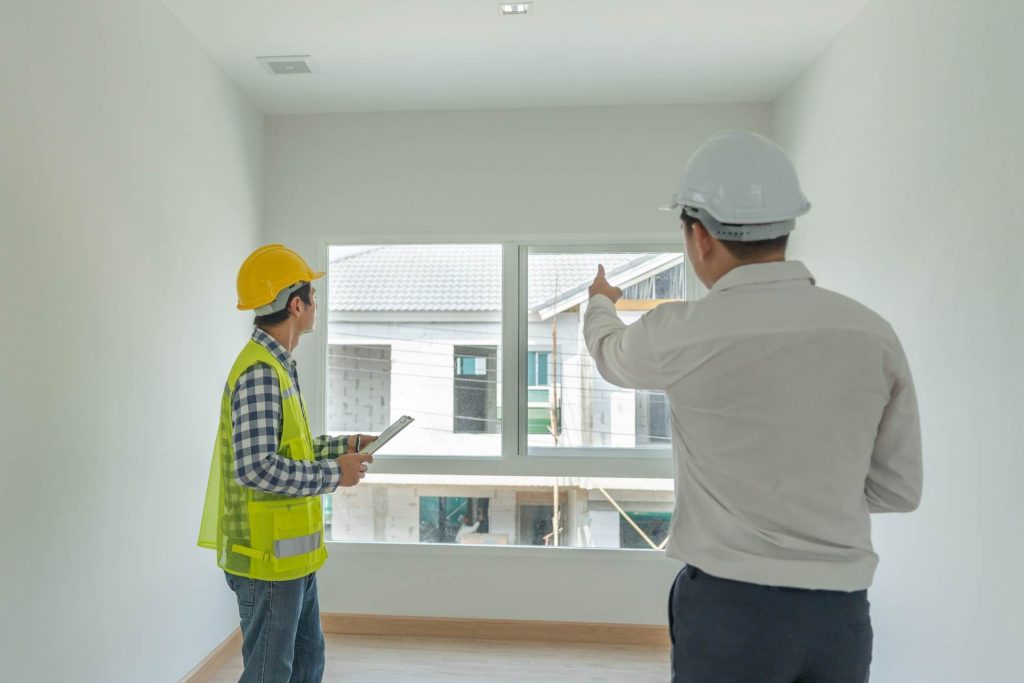
A 4-point home inspection is one of the most important inspections borrowers and their insurance providers use to assess the current condition and insurability of an aging property. Unlike a whole-home inspection, which inspects every area of the structure, a 4-point inspection is focused on four key systems: the roof, electrical system, plumbing system and HVAC. These are considered the most crucial aspects to evaluate, a home’s safety, functioning systems and possible concerns. With older homes coming to market, it is more and more necessary for buyers, sellers and insurers.
The idea for a 4-point inspection came from insurance companies desiring a faster, less labor-intensive process for evaluating homes that might come with a higher level of risk such as older or deteriorating properties. When a building is older than 20 to 30 years, insurers will typically demand this specialized inspection before they agree to issue or renew a homeowner’s insurance policy. The aim is simple: to guarantee that the four most vital systems are safe and/or compliant, with little chance of incurring expensive damage or claims down the road. The inspection can also reveal anything that may slip undetected during a basic visual check, so homeowners can tackle problems sooner and keep the house in pristine shape.
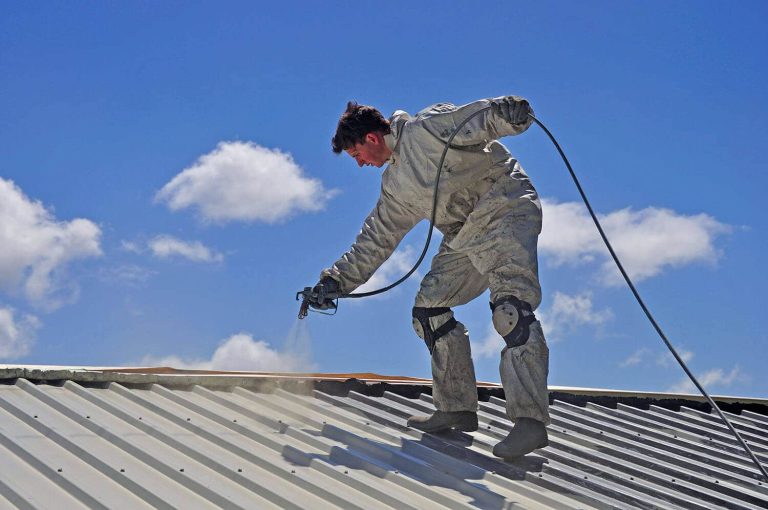
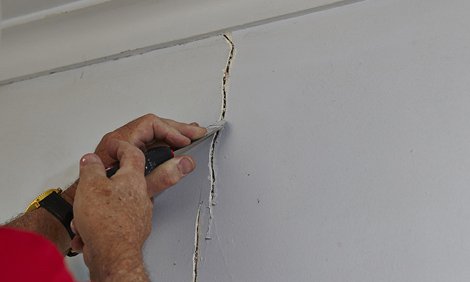
The roof is one of the most critical elements to be scrutinized during a 4-point inspection. Inspectors assess the type of roofing, its age and general condition as well as estimated remaining years. They check for readily apparent signs of decay, which could include everything from leaks and missing shingles to soft spots, or structural issues. As the roof is the first line of defense in safeguarding the rest of your home from weather damage, insurance carriers also consider it a significant risk factor and reflect that percentage on your premium calculation. An unsafe roof can result in costly water damage, mold or even structural issues, so it’s always best to be safe rather than sorry.
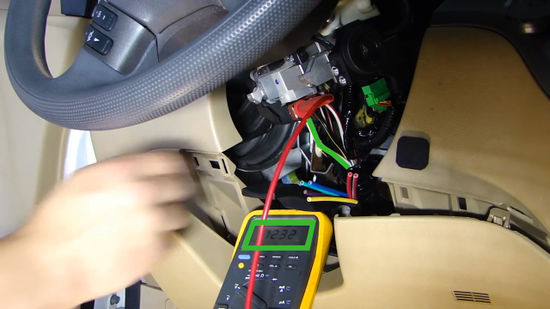
The second point of review will focus on the electrical. Older homes can have systems that no longer meet new safety standards, such as aluminum or knob-and-tube wiring. The electric panel, circuits and connections, grounding and overall safety of the system are inspected. They search for signs of overheating, improper installations and fire hazards. A working modern electrical system not only diminishes a potential fire possibility but also services the home’s appliances and daily electrical uses more efficiently.
Plumbing is yet another important part of the 4-point inspection. The inspector looks at pipe types, how those pipes are laid out in your system, the condition of plumbing fixtures including water heaters and visible supply lines. Some older types of pipes like polybutylene are well-known to have issues and may cause leaks or ruptures. Even small problems with your plumbing can cause a lot of serious damage to a home. The inspection can reveal underground issues, like corrosion, slow leaks or inadequate water pressure that might necessitate some repairs or upgrading.
The fourth category of inspection covers the Heating, Ventilation and Air Conditioning (HVAC) system. Inspectors test whether the unit is working, its age and efficiency, and any visible damage. Properly maintained heating and cooling systems allow for better climate control in a home, improved indoor air quality, and increased energy savings. Because HVAC replacement can be expensive, insurance companies need to make sure the current system is not only operational but safe.
In Florida for homeowners with older residential properties, the inspections are key in obtaining insurance. For instance, a person hiring for 4 point inspection in Tampa can be one of those who have insurance company that demand a full knowledge on the state of local homes since they might suffer from humidity, storm and other weather conditions. This custom inspection helps to ensure that all four major systems can survive regional elements, which in turn makes the home a safer and less cost prohibitive property to insure.
Though not as thorough as a whole home inspection, a 4-point inspection focuses on the most critical systems that impact the safety and insurability of your home. Many homeowners opt to have both inspections so they can get a full picture of the condition of their property. A four-point inspection is not as extensive (or expensive) as a complete home inspection, which includes the structure and exterior of the home, plus insulation, ventilation and more. Together, they provide important clues for homeowners planning maintenance or negotiating real estate deals, and long-term property value.
So there you have: the 4-point home inspection is, in all likelihood, a precursor to buying an older home. it alerts the possibility of a safety issue, it is an insurance requirement and provides peace of mind for home owners and insurers. Whether you are selling a home, renewing an insurance policy or just wanting to make sure your property is in the best condition possible, knowing the value of this type of inspection can save you money and more headaches in the future. Between knowing what to look for and hiring the right home inspector, properly understanding these four critical systems in your home can help homeowners to make smarter decisions protecting their investment for future.