Making the switch to an electric vehicle (EV) can be a thrilling change, but also a learning process when it comes to charging. Getting better at how and when to charge your EV is key to getting the most convenience, range and life from his or her battery. Well in the case if you might be wondering, here are some beneficial charging tips for people who are going to own an EV for the first time.
Understanding Charging Levels
Know the three levels of EV charging.
Level 1 Charging: Uses a typical household outlet with an output of 120 volts. It’s the least powerful, delivering 2-5 miles of range per hour. Good for overnight charging or those who take short drives on a daily basis.
Level 2: Needs a 240-volt socket, like what you have to power major appliances. The charging is pretty fast, offering somewhere in the range of 10-30 miles for every hour. Still, a lot of EV drivers have Level 2 chargers installed at home for convenience.
DC Fast Charging: A form of public charging that provides high-speed charging at the level of up to 80 percent charge in about 30 minutes for most vehicles. Just right for long expeditions or fast juice on the move.
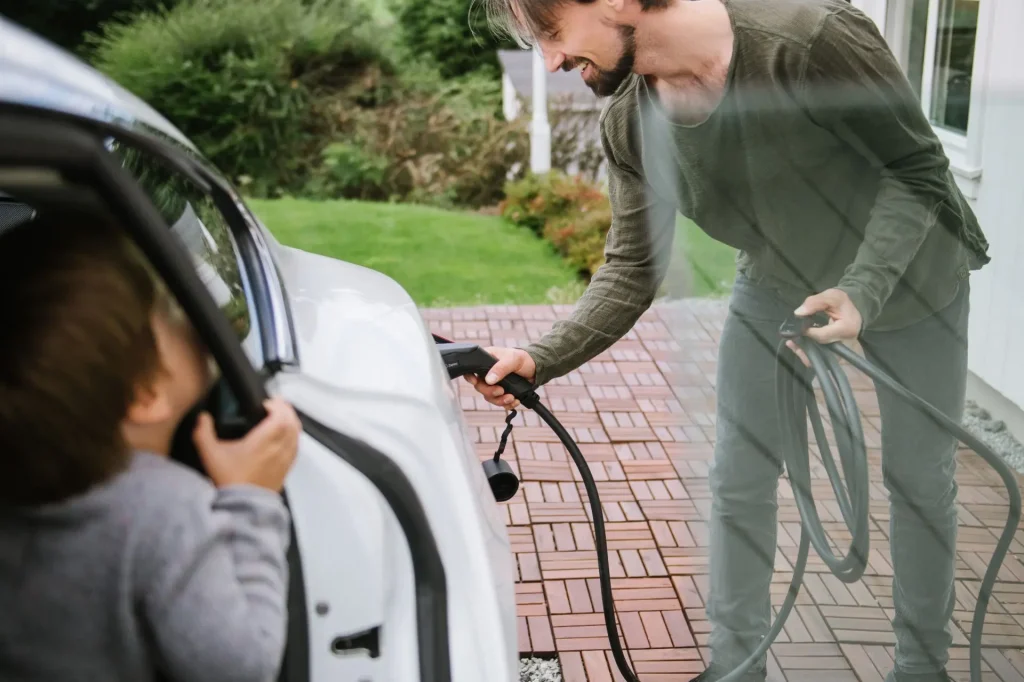
Home Charging Setup
Evaluate the Electrical System: If you decide to install a home charger, your electrical system must support this new power source. Your licensed electrician can advise you if these need any upgrades.
A Level 2 charger is way more capable of achieving the same with just a little work, so if you do drive regularly think about opting for one. This provides you with the right mix of speed and convenience your EV will get fully charged overnight.
Select an Appropriate Location: You must be able to park next to the charger effortlessly. Are your cables in order, or do you have a lot of loose wires with the risk that someone can fall over because of them?
Public Charging Etiquette
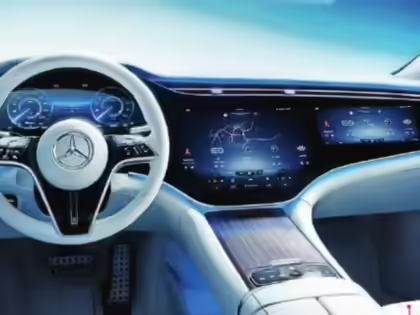
Do Ahead of Time: Check for charging stations and availability with apps or vehicle navigation system before leaving. Again, this planning prevents useless delays.
Please Do Not Block Charging Spots: Park only when you are actively charging and move your number plate once it has been charged so that others can look for a space.
Keep an Eye on Charge Time: When using a fast charger, do not go above 80% during your session. That’s then much more efficient and frees the charger up for others.
Charging Best Practices
Don’t use DC fast chargers very often: It is convenient, yes, but it slowly degrades the heat of your battery. Only use sparingly; use Level 1 or Level 2 charging for regular use.
Optimise Battery Life: Limit your battery usage to 20 – 80% for charge cycles whenever possible. 100% charge is only necessary for the long drives but refrain from doing that every day.
Track Charging Speed: Use the mobile app or onboard system for your EV to track charging speed. This enables you to keep up with and control your timetable.
Managing Costs
Benefit From Off-Peak Tariffs: Several utility firms offer cut price fees for consumption throughout off-peak times. By charging your EV at these times, you should find that it really reduces the cost of heating — or in this case, filling up.
Consider Incentives: Look for local or state incentives available to EV owners, such as rebates for home charger installation or discounts on electricity consumed by your vehicle.
Network Charging Comparison: Some network have different tariffs and also some include membership charging plans. Look them up, and choose the best one for you based on how you charge your car (where and when).
Prepare for Long Trips
Plan your routes in advance: Find the charging stations along with your route and plan wherever you stop. Make use of trip-planning apps designed for EV travel.
Carry a Spare Charging Cable: A portable charger or an adapter can be useful at times of an emergency as well as in case you come across such stations that are specific to your network.
Conclusion
When you become the owner of an electric vehicle (EV) for the first time, learning how to charge one is an important skill that everyone needs to master. Whether it means learning the benefits of various charging methods, creating an effective home installation or abiding by public etiquette while driving around in your auto, understanding how you can help preserve the longevity of your vehicle and its performance! By being well prepared and aware, charging your EV could soon be as integrated into your day-to-day life as brushing your teeth, enabling you to make the most of all that electric driving has to offer.