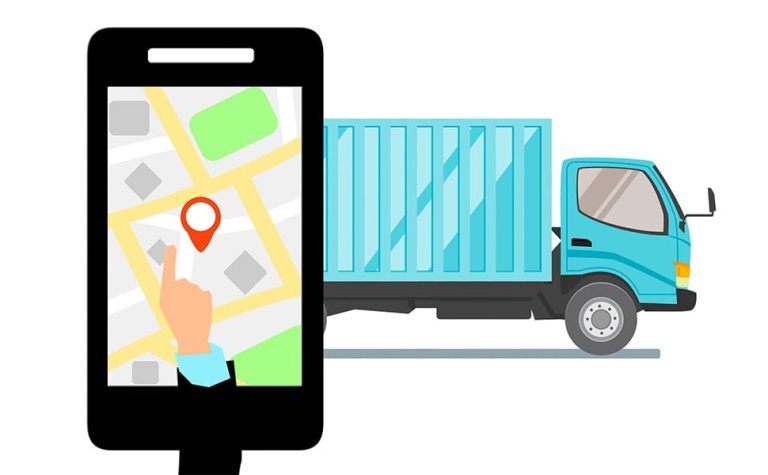
Innovations with smart technology are successfully revolutionising the automotive industry. Innovations are transforming our perspectives about travel through better safety, convenience and efficiency. Take a look at how smart technology is changing the way cars are now and into the future for transport.
Advanced Driver Assistance Systems (ADAS)
ADAS is transforming safety and confidence in driving Sensors, cameras and radar are used to supplement the driver in real time for increased situational awareness. Key features include:
Adaptive Cruise Control: Automatically adjusting the speed of the car to maintain a safe distance from the vehicle in front.
Lane Departure Warning with Lane Keep Assist: A warning alerts the driver if it drifts out of its lane, followed by gentle steering input to place the vehicle back on track.
Automatic Emergency Braking: Detects when a front impact is imminent and will automatically apply the car’s brakes if the driver does not respond in time.
Even these systems can prevent accidents from happening in the first place, resulting in safer driving conditions for every road-motorist.
Connectivity and Infotainment
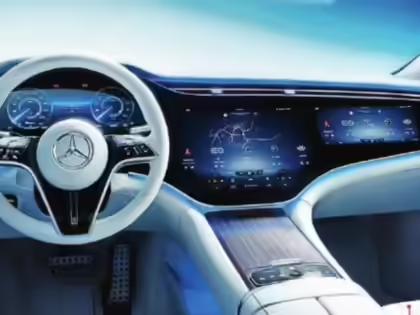
Modern cars are now more connected than ever, with seamless integration to smartphones and the Internet. Infotainment systems provide the play system for navigation, entertainment, and communication. Key advancements include:
Smartphone Integration: Features such as Apple CarPlay and Android Auto enable users to use mobile phone apps, maps, and music directly on their car screens.
Voice Recognition : Sophisticated voice command allows drivers to work hands-free while remaining focused on the road.
Wi-Fi Hotspots: Having In-car Wi-Fi has become a commonplace feature to keep passengers connected during the journey.
Such connectivity completely metamorphoses the in-car experience, now making driving far less of a slog and much more enjoyable.
Electric and Hybrid Technology
As the automotive industry moves towards cleaner energy sources, smart tech is laying the groundwork. Electric and hybrid vehicles are gaining popularity since they are environmentally friendly and more effective. Key developments include:
Energy Management Systems: Improves battery efficiency and manages power distribution to extend the range of electric vehicles.
Regenerative Braking: Captures energy lost during braking and converts it back to can be used again power, therefore reduces fuel consumption!
Name of the Solution : Smart charging solutions – empowers user to monitor as well as control charging via mobile application thereby optimizing energy consumption & costs.
This supports sustainable transport and reduce carbon foodprints.
Autonomous Vehicles
The suggested content: Autonomous or self-driving cars hint an emerging technology that will transform mobility 100% autonomous cars are still a work in progress but at least partial automation is already being found in many modern vehicles. Features include:
Autopilot Systems: Lane-keeping assistance and traffic-aware cruise control, Automated parking
Sensor and AI Fusion – Employ lidar, cameras, and AI to analyze surroundings like via vision Labauten pions.
The goal is to apply this technology to make the system safer and more effective, thereby ameliorate congestion and possibly revolutionise urban planning and car ownership.
Vehicle-to-Everything (V2X) Communication
V2X (vehicle-to-everything) technology enables vehicles to communicate with each other, infrastructure and also the road users(RA & WR), to improve safety and traffic management. Key components include:
Vehicle-to-Vehicle (V2V) Communication: Enables cars to communicate with each other about speed, location and road conditions in order to avoid collisions.
Vehicle to infrastructure (V2I) communication: Connects vehicles with traffic signals and other road systems to enhance traffic flow system thereby reducing congestion.
Vehicle-to-Pedestrian (V2P) Communication: A technology that warns drivers of pedestrians and cyclists in the immediate proximity so that road safety can be achieved for all road users.
The V2X Technology is an innovative approach to a more connected and smart transport system.
Enhanced Security Features
It keeps our vehicle and everyone inside safe than ever because smart technology also means smarter security. For instance, new cars can come equipped with things like keyless entry, remote start and anti-theft systems. Another important aspect of s702 development is the availability of sophisticated cybersecurity protection to protect against the threat of hacking.
Conclusion
Smart technology is making waves in the auto industry, allowing transformative changes for safety, efficacy, and connected world. These innovations, ranging from advanced driver assistance systems to vehicle electrification and autonomous technologies, are shaping a better future in transportation. As technology advances, new developments seem to promise even greater advancements that will lead to safer, cleaner and more connected driving than ever in the history of modern vehicles.