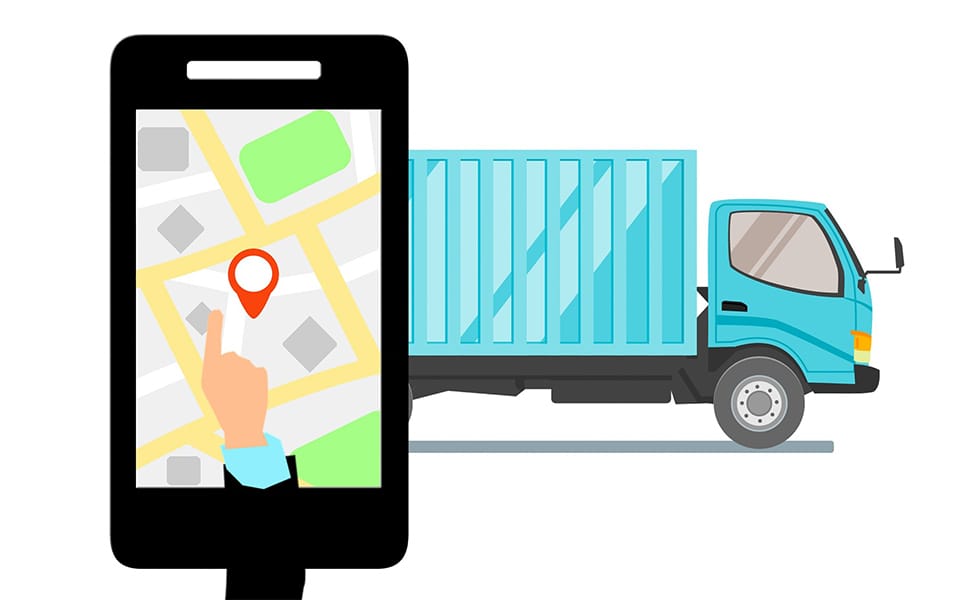
Fleet management is an important aspect of managing logistics — especially for businesses that rely on transportation in the operation process. The technology of GPS tracking has turned out to be a game changer in this aspect, providing several benefits that help you get optimum operational efficiency and lower your costs. This here in is why GPS tracking snippet improves Fleet Management
Real-Time Vehicle Tracking
GPS tracking allows us to get real time location of every vehicle in a fleet. This means that managers can track their vehicles and make decisions rapidly. Real-time tracking helps in:
Route optimization: Find the most efficient routes to reduce fuel consumption and travel time.
Quick Response: Dispatching the nearest available vehicles to new calls and to emergencies.
Theft Recovery: More namely, accurate location data to help recover stolen cars.
Improved Efficiency and Productivity
With GPS tracking, they can help in increasing the operational efficiency and productivity. Key benefits include:
Lower Idle time: Fatigue to reduce unnecessary fuel consumption and also to ease pollution out of engine idling.
Better Scheduling: With the help of accurate vehicle availability and location tracking, timelines and deadlines are streamlined.
Agent-based route optimization: Receiving up-to-the-minute delivery data allows drivers and managers to communicate more effectively.
Cost Reduction
Here is how GPS tracking can much save costs in different areas of fleet management:
Reduce Fuel Cost: It enhances route optimization and minimizes idle time.
Maintenance management allows you to quickly analyze vehicle data in order to schedule maintenance when it is needed, enabling you to avoid expensive repairs and unwanted breakdowns.
Insurance savings: Many insurance providers offer lower rates for fleets utilizing GPS tracking, accepting that the threat of theft and accidents is reduced.
Enhanced Safety
GPS tracking plays a pivotal role in the fleet management industry and significantly contributes to safer operations; security is vital!
Monitoring Driver Behavior : By keeping an eye on whether drivers are following speed protocols or braking and acceleration patterns, it helps address risky driving behavior among drivers with relevant training to level up.
Safety Compliance: The service maintains drivers logs including collection of records related to driving hours and routes, ensuring compliance with relevant laws & safety regulations.
Increased Accountability
GPS tracking holds drivers accountable by keeping you7 in the loop on what they are doing:
Driver performance: Data to help assess driver performance enabling fair evaluations and acknowledgment of top performers.
Time Management: Maintaining accurate records of working hours wiil help you get paid correctly and limit disputes related to the amount of time that has been spent on certain tasks.
Customer Satisfaction
Better fleet management leads to improved customer service, which in turn strengthens your business relationships:
On-Time Deliveries: Optimized routes and real-time tracking for timely deliveries (better reliability).
Transparency: Providing real-time delivery status updates to customers improves communication and trust.
Data-Driven Insights
Space tracking produces data that can positively impact long-term improvements and decision making in strategy:
Is Trend Analysis: Possibly to find patterns in usage, maintenance needs and consumption of fuel etc.
Cost-Benefit Analysis: It allows the fleet managers to rely on real-time data to measure the financial impacts of major decisions related to fleet management.
Environmental Impact
As sustainability practices are on the rise, GPS tracking helps limit a fleet’s environmental impact:
Reduced Emissions: By minimizing idle time and optimizing routes, emissions are significantly reduced.
Resource Efficiency: Tracking and managing resource utilization translates business operations with corporate responsibility and environmental criteria.
Integration with Other Systems
Contemporary business GPS tracking solutions have the ability to integrate with various other management systems, creating a fully coherent operational ecosystem:
Workflow Automation: Integrating data between the GPS tracking system with other software further streamlines workflow and helps lower manual data entry.
Comprehensive Reporting: When combined with other business metrics, GPS data provides context and an overview of all aspects involved in fleet operations.
Conclusion
GPS tracking technology comes bearing great benefits for fleet management with improved efficiency, safety and customer satisfaction. Companies are also able to gain insights, reduce costs, and deliver more effective service by using real-time data and plugging it into their daily operations. Choosing GPS monitoring systems to naturally streamline fleet operations is an investment in not just the business but also towards promoting responsible and sustainable practice. By adopting this tech, businesses can prepare themselves for challenges and demands that may come down the line.