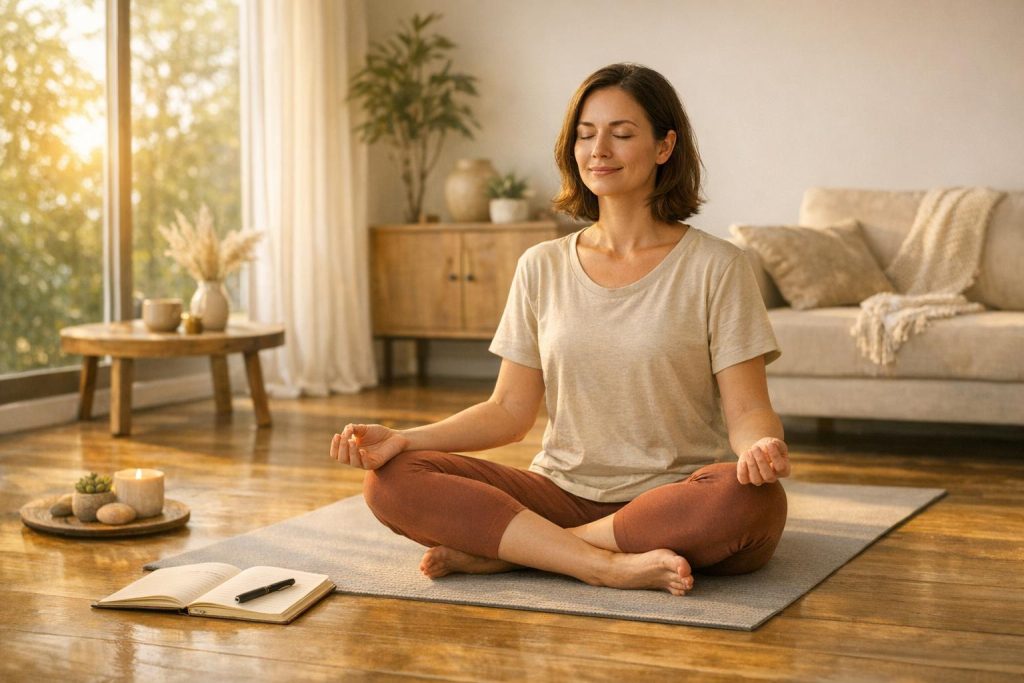
Unfortunately, the world we live in today is fast and it can be very easy to end up lost amid all of our obligations, distractions and stress. If you think about it, most of the time people rush from one thing to another without even living in the moment. This is where mindfulness comes into play quite powerfully. The act of paying attention to your thoughts, feelings, environment and actions non-judgmentally. Through practical exercises, mindfulness helps you not just to improve your mental health but also reduce stress and live a fulfilling life.
Understanding Mindfulness
Mindfulness is the art of being present. Instead of worrying about what happened yesterday or what will happen tomorrow, mindfulness helps people pay attention to the present moment; here and now. This uncomplicated but lifechanging practice will help you to live more consciously and build up better resiliency.
Mindfulness does not require special equipment, a lot of training or major revised lifestyle. Anyone irrespective of age or background can practice it. Everyday activity can be within the frame of mindfulness whether eating a meal, walking in nature, or conversation.
The Benefits of Mindful Living
Mindfulness is the way for people who are not very good with emotions to relieve them, now here we will look into one of the biggest benefits of mindfulness which leaves us feeling alive and thankful- stress relief. The more you shift your focus into only responding to the immediate moment and not regressing in your mind about what is coming next, the more sense of peace and clarity most people feel. Mindfulness also improves concentration and productivity by allowing people focus on just one thing at a time.
Furthermore, living mindfully is beneficial for mental health. It gives people permission to watch their own thoughts and feelings without reacting right away. This allows for a more considered choice and optimal handling of life situations. Other studies suggest that mindfulness may enhance sleep and enrich experiences of relationships, meaning we can be happier.
Start Your Day with Intention
How you start your morning can affect the rest of your day. Do not look at your phone, do not run into work right away. Take five minutes to consciously breathe, stretch out, or think about what you appreciate.
Having a morning routine keeps you grounded and helps you find meaning. But even simple things, like sipping a mug of tea without distraction or going for a quick walk outside, can help you make a big impact.
Practice Mindful Breathing
Breathing is one of the easiest mindfulness practice we can do. Because your breath is always there, it will be a solid anchor to the present moment. Instead of getting lost when you are agitated or side-tracked, focus on your breathing.
Focus on inhaling slow deep breaths, noticing the air moving in and out of your body. When you notice your mind wandering, simply return to the breath with gentle attention. When you practice mindfulness from a few minutes per day, it improves your anxiety levels and gives you peaceful mind.
Be Present During Daily Activities
Please note that mindfulness is not just meditation. Actually, there are several moments of mindfulness that occur during the day. Even eating, walking and cleaning can be practices of mindfulness in action; here are your actions that use mindfulness.
While eating, focus on the flavour, texture and smell of your food. Feel how your feet touch the ground and explore the sights and sounds around you when you walk. It takes only one aware moment to change you.
Reduce Digital Distractions
Technology is helpful in so many ways, but the constant notifications and screen time can pull you from being present. Setting healthy boundaries with digital devices is one way to support mindful living.
Try to check emails and social media at certain times of the day instead of responding to notifications and messages. Frequent and regular breaks from screens help your mind de-stress and relax in the present moment. Making Offline Time More Productive Offline time can also make us more focused, creative or emotional depending on how we spend it!
Cultivate Gratitude
Being mindful is very much a companion to gratitude. Focusing on things that are good in your life should take a part of your day and it makes me change the perspective to be more happy. A Disarmingly Simple Practice: Keeping a Gratitude Journal
Every day, write down three things that you are thankful for. They can be grand accomplishments or mundane pleasures, such as a good conversation and a pink sunset. Practising this repeatedly helps you rewire your mind and have a more positive perception of life.
Practice Self-Compassion
Being mindful towards yourself means being nice and understanding. Many individuals are their worst critics and get very hard on themselves when they make a mistake or find it difficult to cope with some challenges. Self-compassion responds in this manner by encouraging a more patient and accepting response instead.
Understand that the struggle is real and far from perfect. Instead of beating yourself up, validate and acknowledge what you are feeling, and feel compassion for yourself as if it were a friend. Such an approach will foster psychological resilience and contribute to durability of mind.
Conclusion
Being more mindful does not mean perfection, nor does it require big changes in one day. It starts slow, little steps that force you to be present. A greater sense of peace and fulfillment in your daily life can be achieved by Mindful Breathing, minimizing distractions, practicing gratefulness, & being compassionate to yourself. Mindfulness is not denying yourself the world it is being here right now and finding the richness that already exists in your day to day life.