Introduction
Contemporary interiors favour clean lines, practical materials, and visual calm. Tiles support that direction through colour, scale, texture, and layout. Current choices range from oversized porcelain slabs to handmade-look ceramics, giving each room a distinct character without excess decoration. The strongest selections also suit daily routines, moisture levels, cleaning needs, and available light. A thoughtful combination helps kitchens, bathrooms, living areas, and outdoor spaces feel connected while retaining their individual purpose.
Planning a Cohesive Tile Scheme
Before choosing a finish, households should assess room size, natural light, furniture, and maintenance expectations. Professional guidance from tilers in West Auckland can help coordinate surfaces, grout lines, waterproofing, and installation details. A reliable plan also reduces awkward cuts, uneven spacing, and mismatched tones. Samples viewed beside cabinetry and paint usually provide a clearer result than online images alone.
Large-Format Porcelain
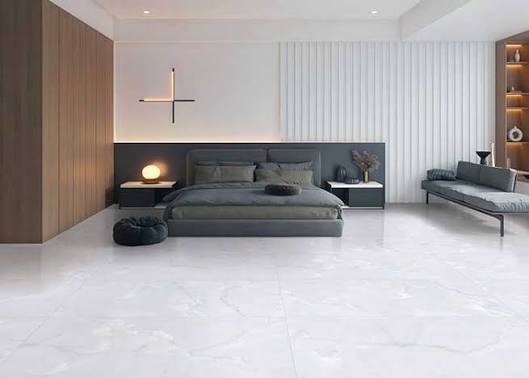
Large porcelain tiles create broad visual lines with fewer grout joints. Their expansive surface can make compact bathrooms and open kitchens appear more spacious. Matte finishes offer a soft, modern appearance, while polished versions reflect light across darker rooms. Rectangular formats suit floors and walls, though correct substrate preparation remains essential for a level result.
Terrazzo-Inspired Surfaces
Terrazzo-style tiles bring small chips of stone or glass into a controlled pattern. Neutral bases with black, tan, or muted green flecks suit contemporary homes without appearing plain. This option works well across splashbacks, floors, and vanity walls. Repeating one shade from the chips elsewhere in a room creates a considered connection between surfaces.
Handmade-Look Ceramic
Handmade-look ceramic tiles add gentle variation through irregular edges, uneven glazing, and subtle tonal shifts. Their character suits kitchens, powder rooms, and feature walls. Soft white, cream, sage, and blue remain popular choices. Straight stacking creates a cleaner finish, whereas offset placement feels more relaxed. A restrained grout colour keeps the surface from becoming visually busy.
Marble-Effect Porcelain
Marble-effect porcelain offers veining without the sealing demands associated with natural stone. White grounds with grey lines create a refined backdrop for brushed metal fittings and timber cabinetry. Stronger veining suits a feature wall, while quieter patterns work across larger areas. Matching floor and wall tones can make a bathroom feel taller and more continuous.
Wood-Look Tiles
Wood-look porcelain combines timber-like warmth with resistance to moisture, stains, and daily wear. Long planks can continue from a kitchen into an adjoining living zone, creating visual flow. Pale oak shades support bright interiors, while walnut and charcoal tones add depth. Staggered placement should remain measured, since excessive variation can distract from the grain effect.
Geometric Patterns
Geometric tiles provide structure through hexagons, chevrons, diamonds, and repeating linework. They suit entry floors, shower niches, kitchen splashbacks, and small cloakrooms. A simple colour pair prevents the pattern from overpowering nearby fittings. Larger motifs often suit broad walls, while smaller shapes can add detail to compact areas without consuming much visual space.
Textured Three-Dimensional Tiles
Textured tiles introduce shadows through ridges, waves, fluting, or raised forms. They work particularly well behind vanities, cooktops, and reception-style walls. Side lighting reveals their shape more clearly than flat illumination. These surfaces may collect more dust, so placement matters. A smooth floor paired with a sculpted wall usually balances appearance and cleaning demands.
Colour and Grout Choices
Colour affects perceived scale, temperature, and brightness. Warm whites and sandy beige make rooms feel welcoming, while charcoal, olive, and clay tones create stronger definition. Grout deserves equal attention because its lines influence the overall pattern. A close match produces a quieter finish; contrast highlights each tile. Samples should be tested under morning and evening lighting.
Selecting the Right Style
A successful scheme begins with function rather than trend appeal. Wet areas require suitable slip resistance, accurate falls, and dependable waterproofing beneath the surface. Busy households may prefer forgiving tones and easy-care porcelain. Smaller rooms often benefit from pale colours, reflective finishes, or continuous flooring. The best choice supports the building, the routine, and the desired atmosphere.
Conclusion
Popular tile styles give contemporary interiors flexibility without sacrificing practical performance. Large formats create calm surfaces, terrazzo adds movement, handmade finishes bring warmth, and marble effects provide refinement. Wood-look planks soften open plans, while geometric and textured options create focused interest. Careful attention to scale, grout, lighting, moisture, and cleaning helps each selection perform well. With a coordinated plan, tiled rooms can feel current, comfortable, and connected for years.