The transportation landscape is undergoing a significant transformation, with electric vehicles (EVs) at the forefront of this shift. As environmental concerns grow and technological advancements accelerate, EVs are poised to become a central component of modern transportation. Here’s an exploration of their future and the impacts they may have.
Environmental Benefits and Sustainability
Electric vehicles offer substantial environmental advantages over traditional gasoline-powered cars. By producing zero tailpipe emissions, EVs significantly reduce air pollution and contribute to cleaner urban environments. Given the global push towards reducing carbon footprints, governments and organizations are increasingly incentivizing EV adoption to meet climate targets.
Technological Advancements
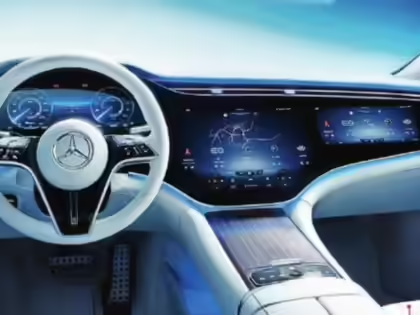
Rapid advancements in technology are making EVs more efficient and accessible. Battery technology is a key area, with ongoing research aimed at increasing energy density, reducing charging times, and extending range. Solid-state batteries, for instance, promise even greater efficiency and safety compared to current lithium-ion technology. Additionally, improvements in regenerative braking systems and energy management software contribute to enhanced vehicle performance.
Charging Infrastructure
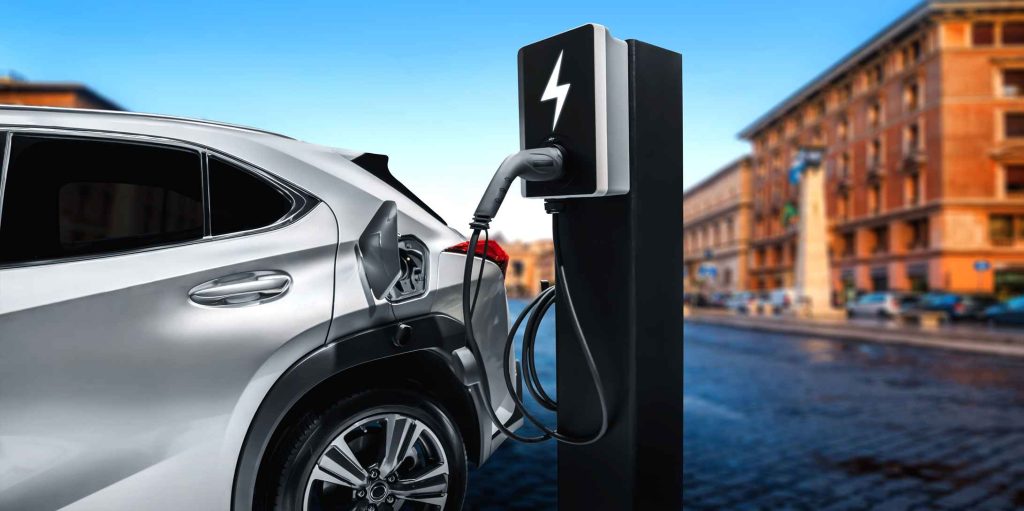
A robust charging infrastructure is critical to widespread EV adoption. Efforts are underway globally to expand and improve charging networks, making them more convenient and accessible. Innovations such as ultra-fast chargers and wireless charging stations are being developed, enabling quicker and more seamless charging experiences. Public-private partnerships are also crucial in expanding infrastructure, particularly in urban and rural areas.
Economic Impact
As production scales increase and technology matures, the cost of EVs is decreasing, making them more affordable for consumers. This shift is further supported by government incentives, subsidies, and tax rebates designed to encourage EV purchases. The growth of the EV market is also driving job creation within manufacturing, technology, and infrastructure sectors, contributing positively to the economy.
Integration with Renewable Energy
EVs have the potential to work synergistically with renewable energy sources. By integrating EVs with solar and wind power, the transportation sector can reduce dependency on fossil fuels. Smart grid technology enables EVs to store and balance energy demand, optimizing electricity usage and supporting grid stability. This integration is key to achieving a sustainable, low-carbon future.
Autonomous Electric Vehicles
The development of autonomous driving technology is set to revolutionize transportation further. Autonomous EVs promise increased safety, efficiency, and convenience, reducing human error and optimizing traffic flow. Industries, including ride-sharing and delivery services, stand to benefit significantly from the implementation of self-driving EV fleets.
Policy and Regulatory Support
Government policies are instrumental in shaping the future of EVs. Many countries have introduced regulations mandating stricter emissions standards and setting targets for phasing out internal combustion engines. Investment in research and development, along with supportive policy frameworks, will continue to drive innovation and adoption in the EV sector.
Challenges and Considerations
Despite promising advancements, several challenges remain:
- Battery Recycling and Disposal: Efficient and environmentally responsible recycling methods are needed to handle the growing number of used EV batteries.
- Range Anxiety: Continued improvements in range and charging infrastructure are necessary to assuage consumer concerns about long-distance travel.
- Resource Availability: The sourcing of materials for batteries, like lithium and cobalt, must be managed sustainably to avoid supply chain disruptions and environmental harm.
The Road Ahead
The future of electric vehicles is bright, with significant potential to transform modern transportation. As technology improves and infrastructure expands, EVs are expected to become more mainstream. The shift towards electric mobility is not just a technological evolution but also a cultural one, with society increasingly valuing sustainability and innovation.
Conclusion
Electric vehicles are set to play a pivotal role in redefining transportation. As we move forward, collaboration between governments, industries, and communities will be essential to overcome challenges and facilitate this transition. By embracing electric mobility, society can enjoy cleaner, more efficient, and more sustainable transportation, paving the way for a healthier planet and a thriving economy. This ongoing evolution highlights the promise that EVs hold for the future of transportation.