Introduction
Fashion is an important aspect of modern life, as it allows people to portray their personalities, cultures and lifestyles. But, the fashion industry is also one of the biggest polluters and waste makers on our planet. The old fashion production process takes a huge toll on the planet, from all the water consumed and textile waste created through to carbon emissions and forced labor. With increasing awareness about these issues, sustainable fashion has come up as a responsible option. Wordinimage: thrift stores will be the future solution this book looks at sustainable fashion and its importance, along with how consumers can create greener purchasing habits when it comes to our clothing.
What Is Sustainable Fashion?
Sustainable fashion is the umbrella term for all clothing, footwear and accessories that are designed, manufactured and distributed and used in a way that is able to reduce their environmental impact. Emphasizing waste reduction, resource conservation and fair treatment of workers across the supply chain.
Sustainable fashion stands in contrast to fast fashion brands who prioritize low production costs and quick turnover of clothing styles. Wong said, the aim is to change how the fashion industry works so that it can create economic opportunities for people while keeping in mind future generations and more of a regenerative approach for our planet.
Why Sustainable Fashion Matters
A large portion of global pollution is caused by the fashion industry. Fabrics such as cotton require heavy water intake, while synthetic materials are a significant part of ocean microplastic pollution. Furthermore, because garments are made so cheaply and discarded soon after they end up in landfills by the millions every year.
Sustainable fashion mitigates these issues by promoting ethical styles of production and consumption practices at all levels. Sustainable clothing is one option, which can help eliminate waste, reduce carbon emissions, save water and support safe labour practices. With each purchase, you have the power to improve our planet and assure a more functional world economy.
Key Principles of Sustainable Fashion
A fundamental principle of sustainable fashion is the use of environmentally friendly materials. Organic cotton, hemp, bamboo, linen and recycled fabrics are grown/created with the least resource utilization and pollution than their conventional counterparts. Many of these substitutes have a much less negative impact on the environment, at nearly equal quality and comfort.
Ethical manufacturing is another key principle. Sustainable brands focus on paying fair wages and ensuring safe work and worker rights. Being transparent across the supply chain meaning that consumers can see where and how their clothing is made.
Sustainable fashion is also about durability. Durable clothing eliminates the need for frequent replacements, as long-lasting high-quality recycled materials are used. This in time, helps reduce resource consumption and waste generation.
The Problem with Fast Fashion
Fast fashion brands are mid-priced, mass-market retailers who produce a high volume of non-durable clothing that mimics current trends. Even though these products seem to be cheap, the real environmental and social costs are latent. In order to achieve affordable production, many methods rely on poor-quality materials and exploitative labour practices.
Even with regular wear, the practice of buying and throwing away garments is creating a massive issue with textile waste. Most clothes are discarded after just a few uses. In addition, the various steps related to transport and manufacturing in fast fashion contribute a great deal to greenhouse gas emissions.
One of the factors to stop this vicious cycle is by taking more sustainable options.
Building a Sustainable Wardrobe
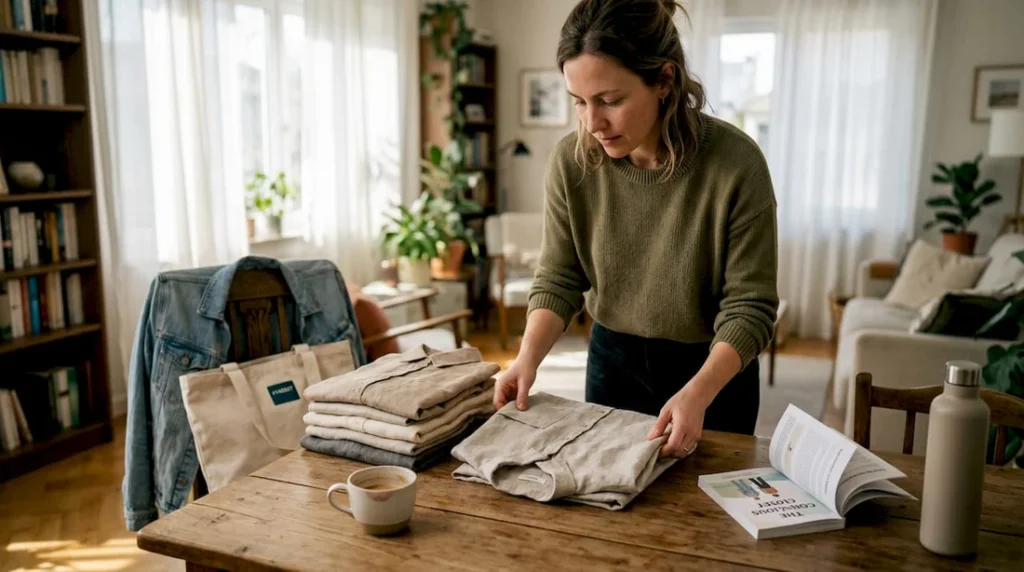
You don’t need to change everything at once in order to create a sustainable closet. Even small and well-considered changes can have a big impact.
But start by buying less and better. Concentrate on classic items that will last for ages rather than trendy pieces that go out of fashion fast. Versatile clothing is cheaper in the long run since long-lasting clothes are hard to replace.
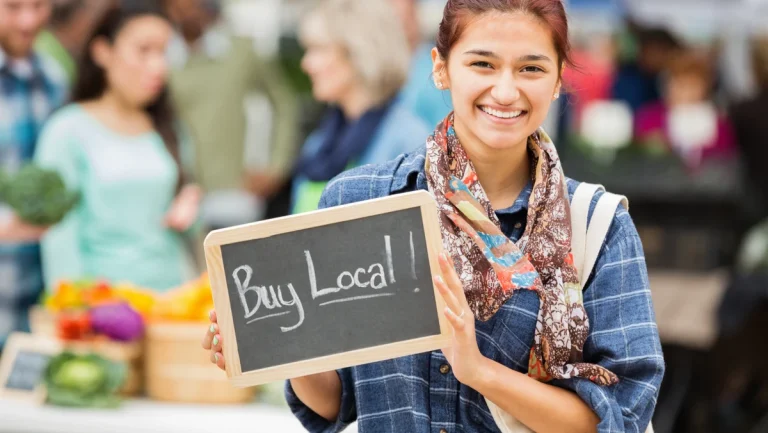
Consider shopping secondhand. Thrift stores, vintage stores and online resale sites create a second life for clothing and lessen the craving to buy new ones. Second hand fashion is great for unique styles and also for supporting sustainability.
Clothing too needs to be taken care of well. You should also wash them less often, make sure to use cold water when you do, and air-dry if you can get away with it. Things like how to sew buttons or mend small holes can help keep clothes wearable a hell of a lot longer.
Understanding Sustainable Materials
Various sustainable brands utilize eco-friendly materials to lessen the carbon footprint released in production. Organic cotton avoids the use of toxic pesticides and typically uses fewer chemicals overall. Hemp is a tough crop that requires very little water and pest silencing. Recycled polyester uses plastics that already exist to create new fabrics, while easing the strain on landfills and oceans.
New materials also seem to be surging in popularity. There are fibers, too: from recycled textiles and agricultural by-products to plant-based fibers all of which offer eco-friendly alternatives to traditional materials. As tech advances, so do the quality and availabilty of these options.
Supporting Ethical Fashion Brands
Consumers have a powerful role to play in demanding better from the fashion industry. By engaging with brands that embrace sustainability and transparency, consumers also send a clear message that ethical practices are important.
Know the environmental practices, labor standards, and raw materials a company uses before you buy. Oftentimes, sustainable brands will be open about where their supply chain comes from and what sustainability efforts they are doing. Certifications and third-party assessments can also reveal companies that have earned their reputation for responsibility.
Conclusion
Sustainable fashion is not just a trend, it is the beginning of a more responsible and eco-friendly approach. When you prioritize quality over quantity, support ethical brands, buy secondhand, and take good care of your clothing, you can help the environment while also ensuring fair wages for laborers.
Each and every purchase can shift trends in the fashion industry. With the adopttion of sustainable fashion by every confident consumer, there will be an undeniable and unrelenting rise in egrocery and responsible production. By choosing mindfully and thinking about the future, together we can support a fashion industry that serves people best and planet.